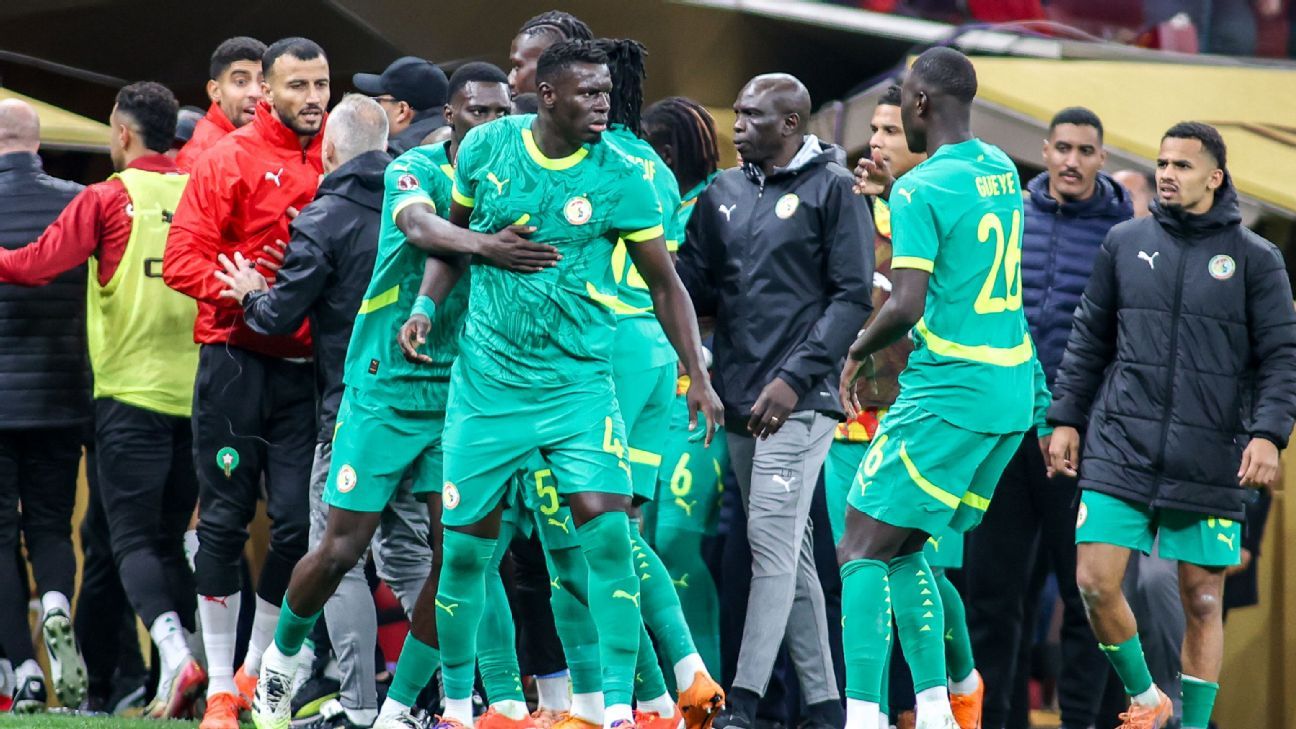
In a surprising turn of events, Morocco was officially declared the winner of the Africa Cup of Nations (AFCON) on Tuesday, following a decision by appeals judges to overturn Senegal's victory in the final held in January. The original match was marked by chaos and controversy, leading to widespread debate over the outcome.
The final match, which took place earlier this year, saw Senegal initially crowned champions after a hard-fought contest. However, the decision to overturn that result came after a thorough review by the Confederation of African Football (CAF) appeals panel, citing irregularities and procedural issues during the match that warranted a replay or a different resolution.
The ruling has sparked mixed reactions across the football community. Senegalese officials and fans expressed disappointment and frustration over the decision, arguing that the original result should stand. Conversely, Moroccan supporters and officials celebrated the ruling, viewing it as a just resolution to a contentious match.
The controversy centered around several disputed calls and incidents during the final, which many believed influenced the outcome. The CAF's decision to overturn the result was based on evidence presented during the appeal process, which included video footage and testimonies that questioned the fairness of the original match.
This decision marks a rare instance where an AFCON final result has been overturned after the fact, highlighting ongoing issues related to officiating and match integrity in African football. The CAF has emphasized its commitment to ensuring fair play and transparency, though critics argue that such interventions undermine the authority of match officials.
As Morocco is now recognized as the champion, the football community is awaiting further statements from CAF regarding the implications of this ruling, including potential awards, medals, and official recognition. The decision also raises questions about future tournament procedures and the role of appeals in resolving disputes.
Overall, this development underscores the complexities and challenges of officiating high-stakes international competitions, and it may influence how future tournaments are managed to prevent similar controversies. Both nations will now prepare for upcoming fixtures with the new titleholders, while fans and analysts continue to debate the fairness and impact of the ruling.